Some companies in Japan, north of Tokyo were asked to work an alternative schedule this past summer. Working from Saturday through Wednesday and taking the weekend off on Thursday and Friday. The idea was to save energy by shifting high power consuming activities like large factories to run less during the week and more during the weekend when power consumption is less. This indirectly was applied to my work schedule too, for the past three months I have been taking the weekend on Thursday and Friday and this gave me the opportunity to take some long distance trips around Japan.
 Above is a map showing the JR route from Nagoya to Nagasaki. You can see were the transfer at Hakata Station is, the google map flag near the lower left. I took the first part of the trip to Hakata on the Tokaido shinkansen in an empty green car, four seats across.
 Below is the shinkansen platform at Hakata station, on the right is the Tokaido train, the kind of train that run to Tokyo. The train on the right is a Kyushu Shinkansen, it run south to Kagoshima.
 The next morning I completed the trip from Hakata to Nagasaki, below is the ticket between the two stations.
 It's really amazing the amount of space in Japan used for rice production.
 Below is the train I took to Nagasaki, a 787 Kagome.
 Nagasaki station is a terminus station, the tracks end here.


 Below is the JR sea side liner to Isahaya. If you are using a JR rail pass, it is possible to go around the bay to Kumamoto, it's actually faster and easier and the only option shown on google maps. The map above is the car route, but it is approximately the same route I took using trains and boats.

 In route to Shimabara port.
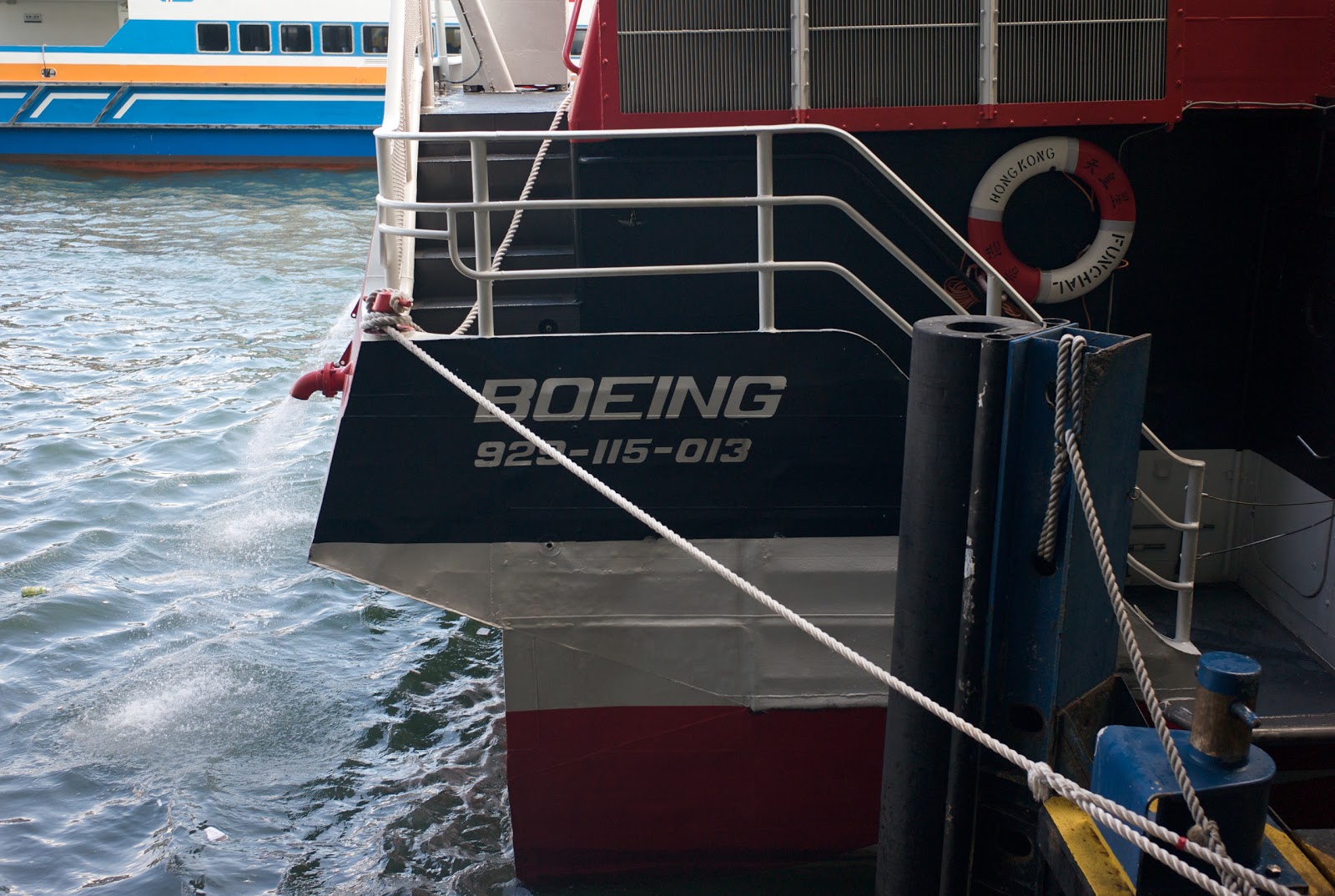
 Below is the Ferry from Shimabara port to Kumamoto port. The paint job kind of reminds me of ferry's in Seattle.
 Pushing away from Shimabara.
 The route I took to Kumamoto takes a long time, about 4 hours. This is because none of the different services line up their schedules. Between each transfer was a 30 minute to 1.5 hour wait. Below is the bus to Kumamoto.
 On the bus.
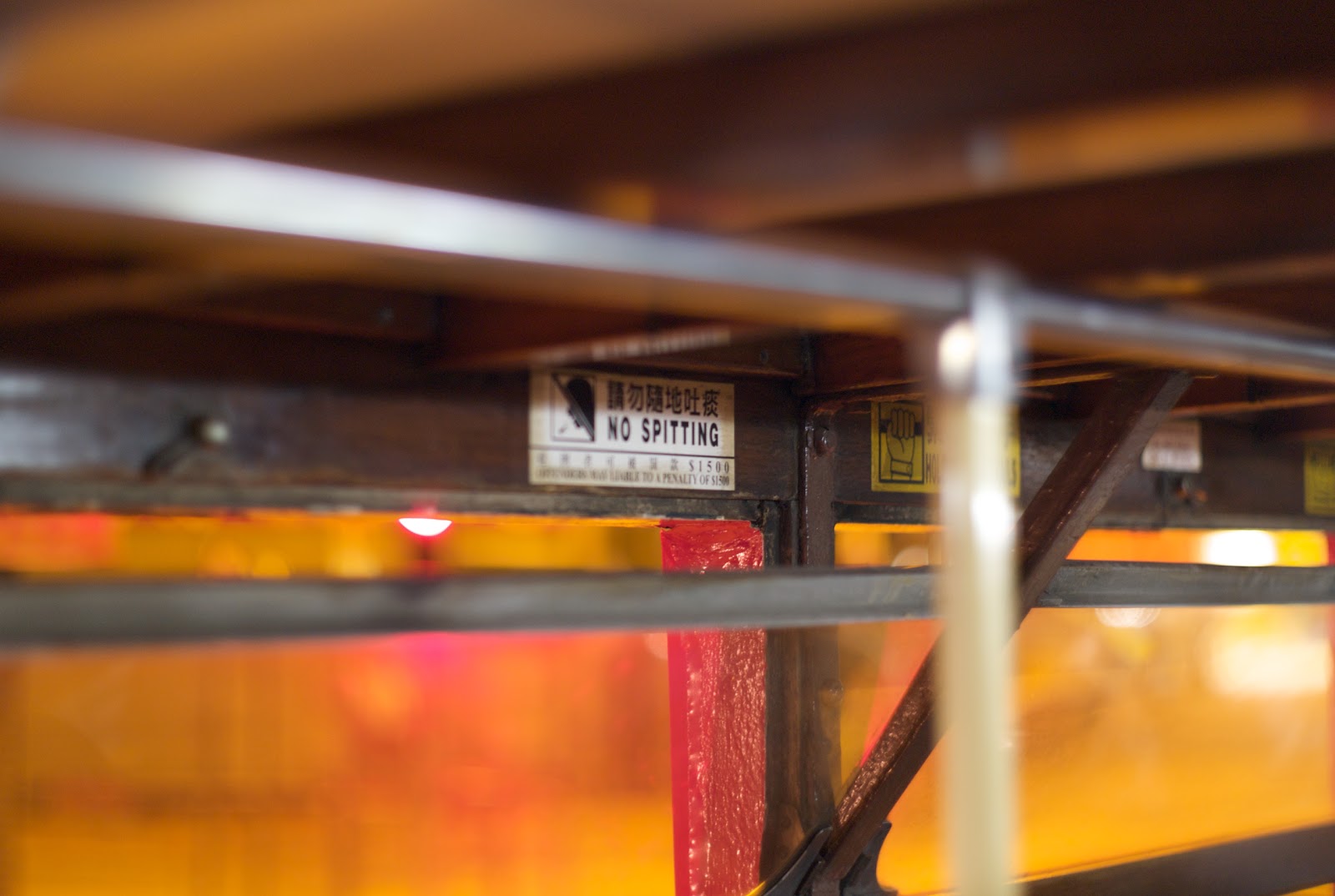
 Kumamoto also uses old school trolleys with wooden floors. I guess if these things work since forever, no need to really stop using them.
 Traveling back to Nagoya, this was the train I took from Kumamoto to Hakata, very pimp. At Hakata, I had only 3 minutes to transfer to the Tokaido rail, so no photos there.
 The Kyushu shinkansen has a really nice interior, very modern seats.
 In Nagoya, I was lucky to have a shinano train as the final leg of my trip home! Shinano is the train to Nagano, I will post about that later (the second long distance trip I took during energy saving work schedule).

The first such trip I took was from Nagoya to Nagasaki to Kumamoto and back to Nagoya. The total trip time to Nagasaki from Nagoya is about 6 hours by bullet and express train, but I had an over night stop over in Hakata, so the trip did not seem so long.
Tain mania in Japan is people who run around and take photos of trains. So get ready, here is my train (and other mass transit) mania blog post.


Around Nagasaki city, you get around using these old school trolly cars made by Mitsubishi. There are now newer one, but these are more fun. They have wood plank floors.

The next leg of my trip was from Nagasaki to Kumamoto. This trip used three different mass transit services to get to Kumamoto, the JR train to Isahaya, private Shimabara rail to Shimabara port, a ferry across the port and a bus to Kumamoto.


Below is the Shimabara private rail car, they run only one car trains and collect cash money at the end of your trip. At Isahaya, the Shimabara rail company uses platform 0.